May 1, 2026
Tooth extractions are often considered a final option in dental care, but they are vital for protecting your overall oral systemic health. Recognizing the warning signs early helps you identify when a consultation for a possible tooth extraction is necessary to alleviate pain or stop the spread of infection. According to Fortune Business Insights and the CDC, the "general dentistry" segment is projected to hold a 31.84% market share in 2026 as practices move toward an all-in-one care model. This comprehensive approach ensures that complex restorative needs are met with precision and efficiency within a single familiar environment.
Assessing Persistent Pain
Persistent tooth pain is frequently the primary indicator that your dental health requires urgent attention. When pain is concentrated around a specific tooth and remains constant despite the use of over-the-counter analgesics, it often signals deep decay or a dying nerve. Such intense discomfort can disrupt sleep, work, and daily activities, making a tooth extraction the most effective way to provide lasting relief and prevent the agony from becoming a permanent fixture in your life.
While mild sensitivity might resolve with topical treatments or simple fillings, sharp or throbbing pain that lingers for days indicates an underlying issue that won't disappear on its own. Ignoring these symptoms can lead to abscesses or further damage to the jawbone, as the inflammation continues to eat away at the tooth's support structure. If clinical interventions cannot restore the tooth's function, removing it becomes the safest path to oral comfort and prevents the development of chronic facial pain.
Differentiating between a minor toothache and a major emergency is crucial for long-term health. Serious pain often radiates through the jaw and up toward the ear, suggesting that the internal pulp is severely compromised. When the structural integrity of the tooth is lost, a tooth extraction provides a clean slate, allowing the surrounding tissues to recover. By addressing the root cause of the distress, you can move forward with restorative solutions that look and feel like natural teeth.
Identifying Severe Infections
A severe dental infection is a medical priority that can manifest through swelling, redness, and a persistent bad taste. If an infection reaches the pulp of the tooth and fails to respond to root canal therapy, a tooth extraction may be the only way to prevent bacteria from entering the bloodstream. This proactive step stops the infection from spreading to the surrounding gum tissue and neighboring teeth, which could otherwise lead to a domino effect of dental loss.
Dentists often prioritize treating the acute infection with antibiotics before proceeding with the removal to ensure the area is stable and the numbing agents work effectively. Once the source of the bacteria is removed, the body can begin the healing process without the threat of recurring abscesses. Promptly addressing these infections is essential for maintaining long-term wellness and avoiding systemic health complications, such as cardiovascular issues or respiratory infections linked to oral bacteria.
The danger of a localized infection spreading to the jawbone or neck cannot be overstated. If you notice a "pimple" on your gums or significant facial swelling, it is a sign that the infection is looking for an exit point. In these critical moments, removing the infected tooth acts as a drainage point and eliminates the reservoir of pathogens. Following the procedure, modern post-operative care ensures that your recovery is swift and that the risk of secondary infection is virtually eliminated.
Managing Advanced Gum Disease
Advanced periodontitis significantly compromises the stability of your teeth by destroying the supporting bone and tissue. When gum disease causes teeth to become loose or shift, a tooth extraction might be necessary to stop the progression of bone loss. Removing a compromised tooth allows the dentist to clean the area thoroughly and prepare for restorative options like implants or bridges that require a healthy foundation to succeed.
Chronic bleeding, receding gums, and deep periodontal pockets are hallmark signs that your oral structures are under attack. If non-surgical treatments like scaling and root planing are no longer viable, extraction serves as a preventive measure to save the remaining healthy teeth from being affected by the same destructive bacteria. Restoring the health of your gums is often easier once the primary source of chronic inflammation and bacterial buildup is removed from the mouth.
The long-term impact of untreated periodontitis extends far beyond the loss of a single tooth. It can lead to the collapse of the bite and a change in facial aesthetics as the jawbone resorbs. By opting for a strategic extraction, you are making a choice to protect the rest of your smile. This decision facilitates a transition toward a more manageable oral hygiene routine, ensuring that the disease is halted before it can cause widespread damage to your entire dental arch.
Resolving Tooth Impaction
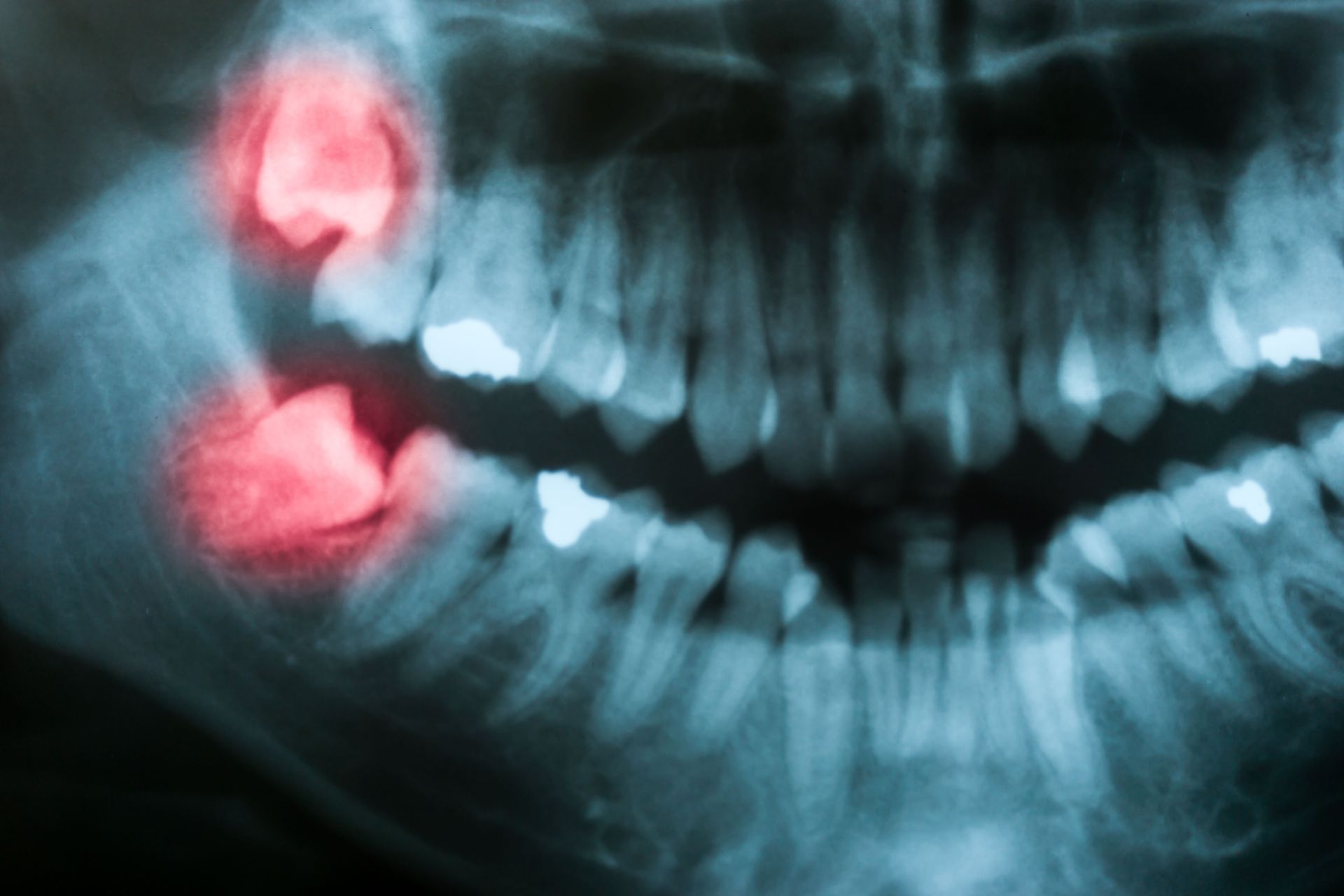
Impaction occurs when a tooth, often a wisdom tooth, fails to emerge properly from the gum line due to a lack of space or poor alignment. This can cause significant pressure on adjacent teeth, leading to crowding and intense jaw pain. In these scenarios, a tooth extraction is recommended to prevent the formation of cysts and to protect the integrity of the dental arch, which can be easily disrupted by a rogue tooth pushing from beneath the surface.
Impacted teeth are notoriously difficult to clean, making them hotspots for decay and recurrent infections known as pericoronitis. Dentists use digital imaging to determine if a tooth is partially or fully impacted before planning the safest removal technique. Addressing impaction early prevents the roots of neighboring teeth from being damaged or resorbed by the constant, relentless pressure of the trapped tooth, which acts much like a slow-moving wedge.
While some people believe they can leave impacted teeth alone if they don't hurt, this is often a misconception. Problems can develop silently over years, resulting in sudden, severe complications that are much harder to treat in older age. By removing these teeth in a controlled environment, you avoid the risks of emergency surgery later. This preventive approach is a cornerstone of modern dentistry, focusing on long-term stability and the avoidance of avoidable trauma to the jaw.
Correcting Dental Overcrowding
Overcrowding happens when the dental arch is too small to accommodate all teeth, leading to misalignment and hygiene challenges. For patients undergoing orthodontic treatment, a tooth extraction is often a strategic step to create the necessary space for braces or aligners to work effectively. This ensures that the remaining teeth can be moved into a harmonious and functional position, resulting in a bite that is both beautiful and efficient.
Beyond the aesthetic benefits, reducing overcrowding makes it easier to brush and floss, which lowers the risk of future cavities and gum disease. By carefully selecting which teeth to remove, your dental team can help you achieve a balanced bite and a healthier smile that is easier to maintain for a lifetime. Managing these gaps correctly during the orthodontic process leads to a stable and beautiful long-term result that enhances your self-confidence.
Taking action when you notice these signs is the best way to safeguard your smile. Whether you are dealing with chronic pain, infection, or alignment issues, professional intervention provides a clear path back to health. By staying informed about your options and acting early, you can prevent minor issues from becoming major obstacles to your well-being. For more information about the services that we offer, reach out to our incredible team at Allenton Family Dentistry today!