October 2, 2026
Implant dentures have revolutionized restorative dentistry by providing a secure, reliable, and aesthetically pleasing alternative to traditional removable prosthetics. For individuals experiencing complete or partial tooth loss, modern denture services offer an advanced approach that stabilizes full arch replacements directly within the jawbone. Beyond restoring basic oral functions like chewing and speaking, implant-anchored prosthetics help maintain facial structure and prevent the gradual bone density loss that typically follows tooth loss. Modern clinical care blends advanced biotechnology with personalized restorative treatments to help patients regain full functionality and long-term oral health.
Unlike conventional prosthetics that rely entirely on messy adhesives or soft gum tissue support, implant-retained systems create a fixed foundation that functions like natural tooth roots. Patients benefit from heightened bite force, clear speech, and reduced risk of tissue irritation or accidental slippage. By locking full arches firmly into place, comprehensive denture services rebuild structural integrity, restore personal confidence, and significantly improve overall quality of life.
Furthermore, transitioning to an implant-retained full arch system dramatically enhances long-term oral hygiene management. Conventional prosthetics often trap food debris beneath their plastic bases, creating breeding grounds for harmful bacteria and persistent inflammation. Implant-supported solutions, designed with natural tissue contours in mind, allow for easier daily maintenance through standard brushing and specialized flossing techniques. This seamless integration ensures both a cleaner oral environment and enhanced durability for decades to come.
Understanding Implant Denture Systems
At the core of modern denture services is the process of osseointegration, a physiological phenomenon where living bone tissue fuses directly to biocompatible titanium posts. The dental implant apparatus consists of three main elements: the surgical fixture embedded in the bone, an intermediary abutment component, and the custom prosthetic arch. Once anchored, these titanium posts act as artificial roots that distribute biting forces evenly across the jawbone, protecting surrounding tissues and encouraging bone tissue maintenance.
Technological innovations in dental materials have further enhanced the durability and aesthetics of full arch restorations. Prosthetic teeth constructed from high-grade ceramics, zirconia, and advanced acrylic resins reflect light naturally and resist everyday wear. Because these materials mirror the translucency and shade variations of biological enamel, modern denture services produce prosthetics that integrate seamlessly with natural facial features while withstanding daily masticatory forces. Clinical providers meticulously select materials that maximize both realistic aesthetics and functional resilience under daily load.
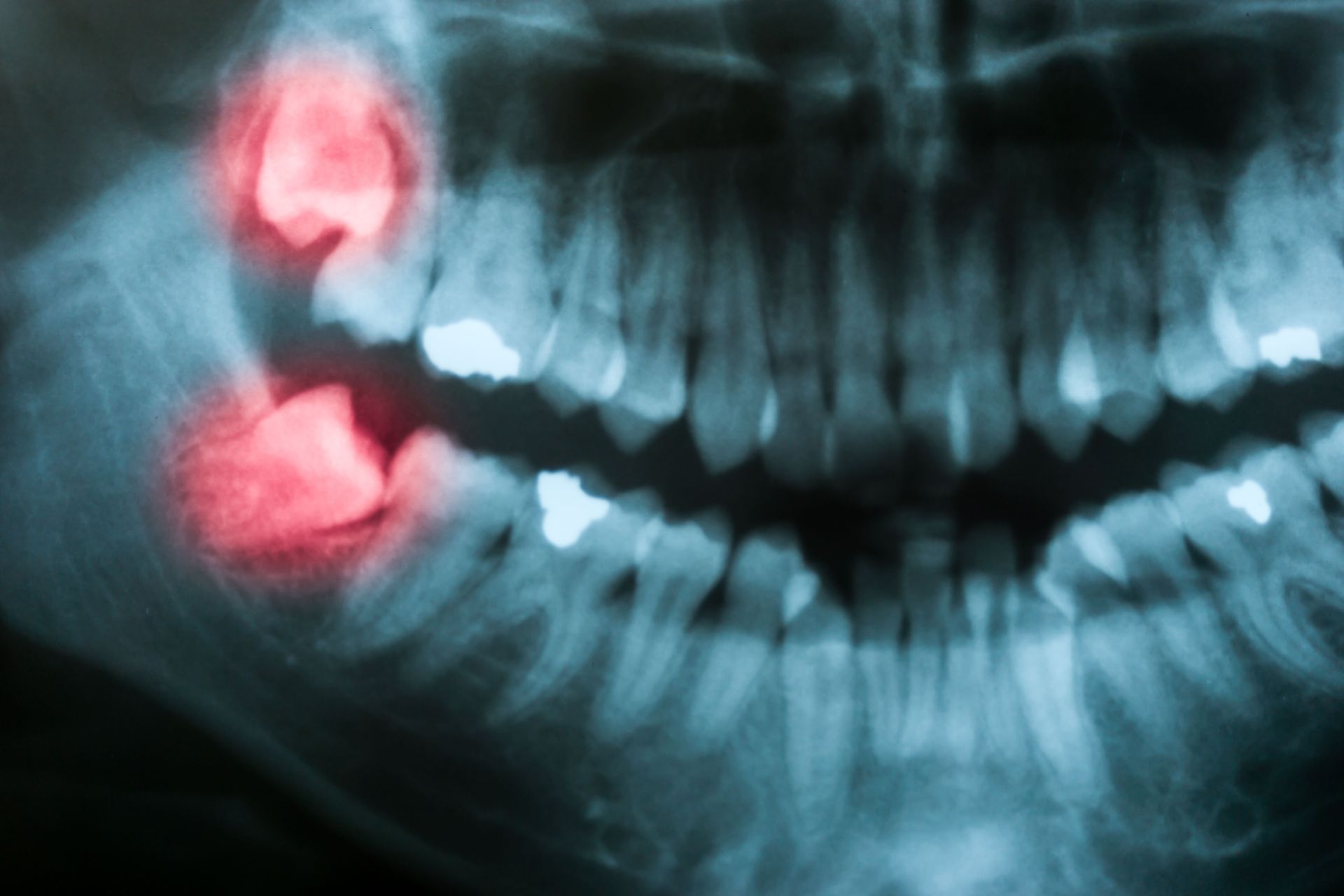
Digital imaging technology, including Cone Beam Computed Tomography (CBCT) and intraoral 3D scanning, plays an essential role in treatment planning. These high-resolution tools enable clinicians to analyze bone density, map nerve pathways, and identify optimal surgical locations before placing any fixtures. The integration of 3D computer-guided planning ensures precise placement, minimizes surgical recovery times, and improves long-term stability for full arch prosthetics.
Navigating the Surgical Procedure
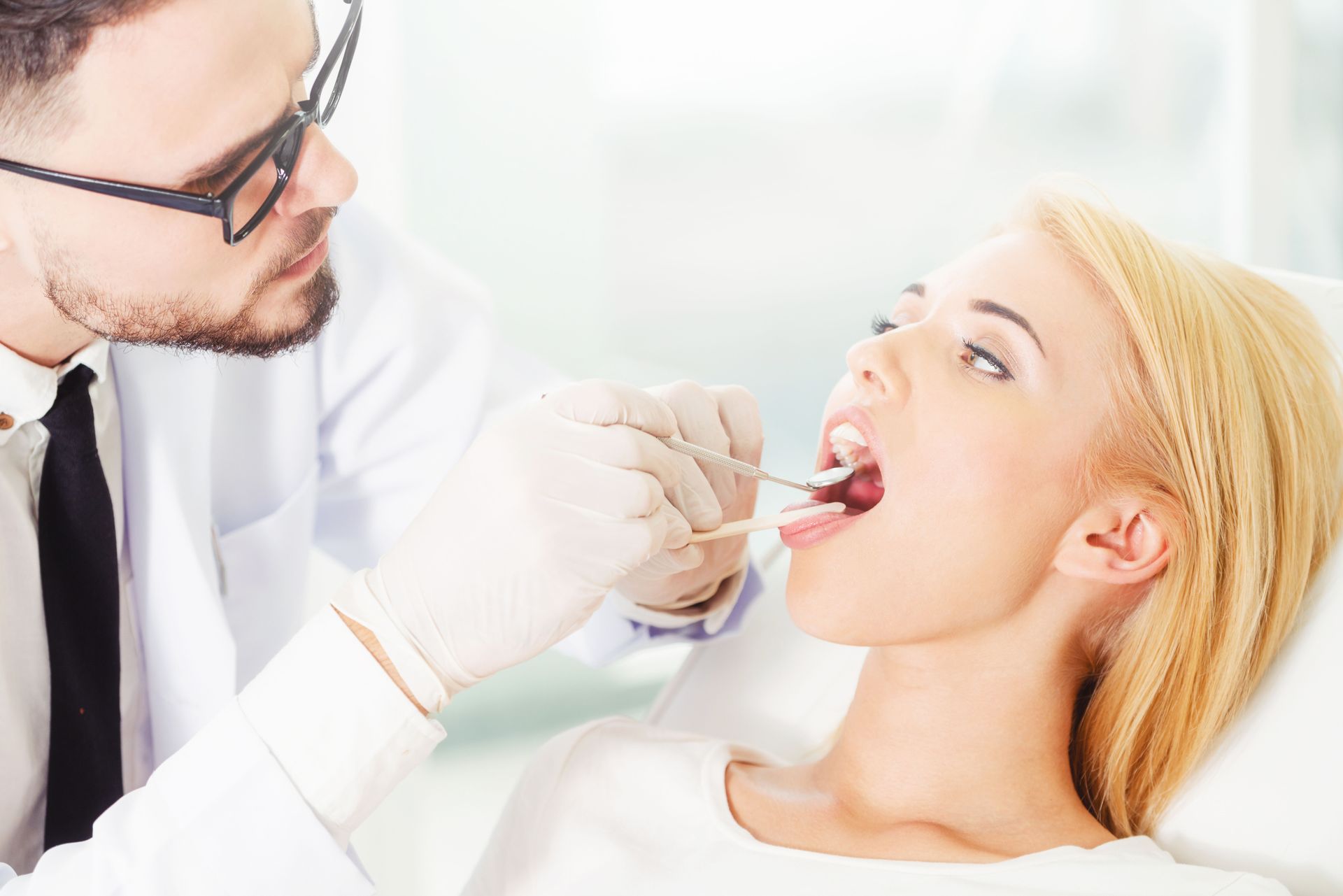
The clinical journey for receiving implant-supported prosthetics begins with an extensive diagnostic evaluation. During this initial phase, the dental team assesses the patient's oral cavity, reviews systemic medical history, and evaluates jawbone density to ensure suitability for implant surgery. When necessary, preparatory procedures such as bone grafting or gentle sinus lifts are performed to create a robust structural foundation capable of supporting the full prosthetic arch.
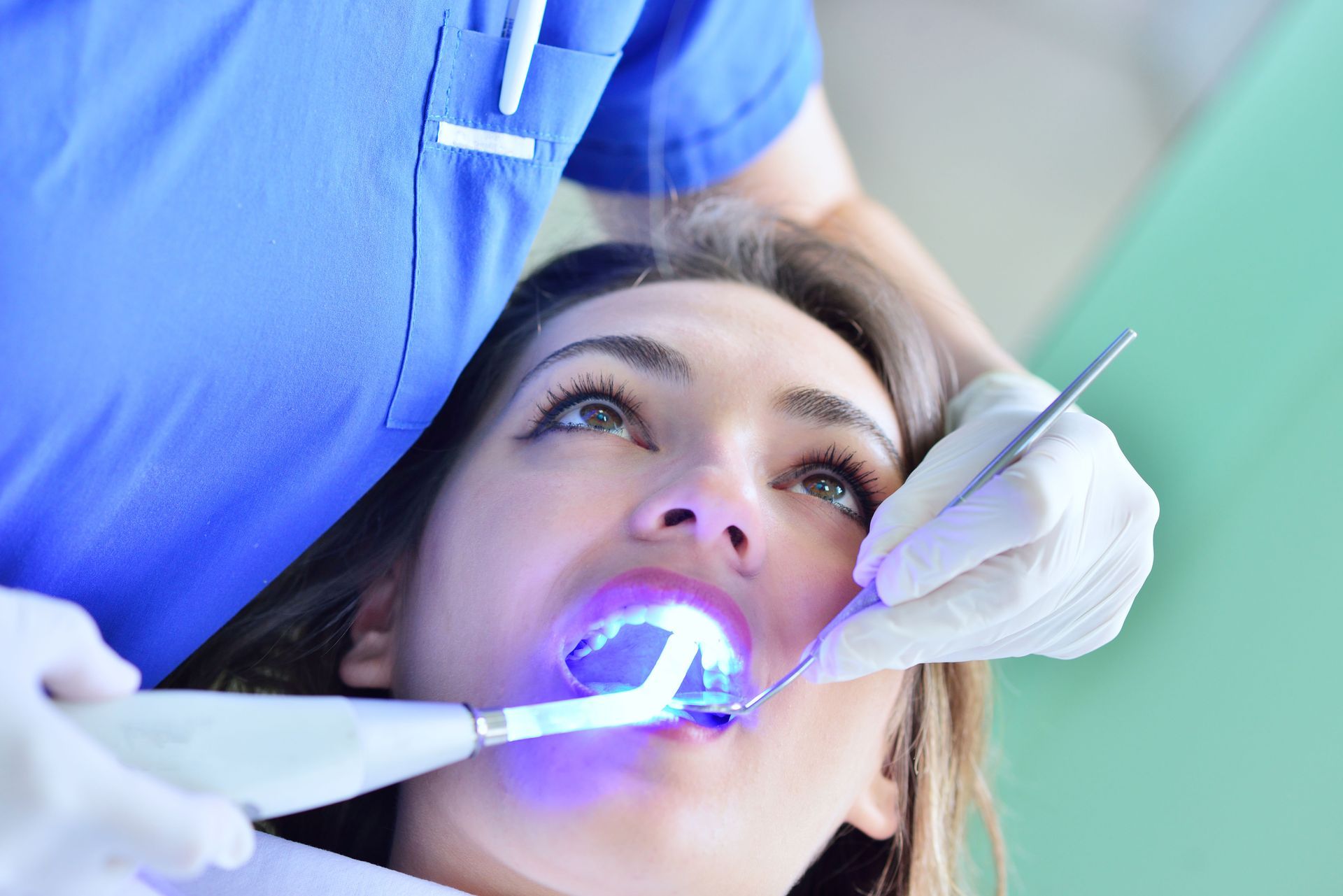
The surgical placement involves making small incisions in the gum tissue, preparing precision channels in the jawbone, and securely positioning the titanium posts. Once the implants are placed, protective healing caps or temporary restorations are attached, allowing the surgical sites to heal safely. Depending on patient preferences and surgical complexity, procedures are performed under local anesthesia or comfortable intravenous sedation, ensuring a peaceful experience from start to finish.
Following fixture placement, a critical recovery phase lasting several months allows complete osseointegration to occur. During this period, bone tissue grows around the titanium posts to lock them securely into the jaw architecture. After the integration period, final impressions are captured to fabricate the permanent custom prosthetic. Detailed adjustments are made to ensure an optimal bite alignment, precise shade matching, and a natural, comfortable fit.
Evaluating Stability and Aesthetic Benefits
One of the primary benefits of choosing implant-supported prosthetics over traditional options is superior mechanical stability. Removable prosthetics frequently cause friction against delicate soft tissues, leading to painful sore spots and potential speech difficulties. Implant-anchored arches remain fixed during daily activities, allowing patients to eat a wide variety of foods, speak clearly, and laugh spontaneously without fear of sudden displacement.
In addition to functional stability, implant-supported prosthetics offer substantial aesthetic and physiological advantages. Natural tooth roots stimulate the jawbone during chewing, signaling the body to maintain surrounding bone density. When teeth are lost, the jawbone gradually resorbs, leading to a sunken facial appearance over time. By acting as artificial roots, implant posts preserve bone structure, maintain facial volume, and preserve natural facial contours. Over time, this underlying structural support helps patients retain a more youthful, natural profile.
Customization is a cornerstone of modern denture services. Every full arch prosthetic is tailored specifically to match the individual patient's anatomical contours, skin tone, and cosmetic goals. The final result is a balanced, vibrant smile that blends natural aesthetics with long-term structural durability.
Addressing Dental Anxiety
According to the Journal of the American Dental Association, 72.6% of adults in the United States report experiencing some level of dental fear. Acknowledging patient anxiety is an essential component of modern restorative care. Dental practices focus on creating a supportive, transparent environment where patients feel fully informed, comfortable, and respected throughout every step of their treatment journey.
To help overcome dental apprehension, modern practices utilize advanced pain-management techniques, minimally invasive surgical protocols, and personalized sedation options. Intraoral scanners replace messy traditional impression materials, making diagnostic procedures fast, comfortable, and non-invasive. By prioritizing patient comfort, dental teams ensure that anxiety does not stand in the way of necessary oral healthcare.
Detailed pre-operative discussions and step-by-step guidance further help ease patient concerns. Understanding what to expect during surgery, recovery, and final fitting empowers individuals to make informed decisions about their oral health. Through empathetic care and gentler clinical techniques, dental practices turn potentially stressful procedures into positive, life-changing transformations.
Transforming Daily Confidence
Living with incomplete or unstable teeth often takes a toll on personal confidence, emotional well-being, and social interactions. Individuals may avoid public dining, hesitate to speak in professional settings, or hold back their smiles during social gatherings. Comprehensive denture services provide a permanent restorative solution that removes these barriers, allowing individuals to navigate daily life with renewed confidence.
Beyond cosmetic improvements, restoring full bite functionality supports better systemic health and nutrition. With stable, fully functional teeth, patients can enjoy a balanced diet containing hard-to-chew, nutrient-rich foods like fresh fruits, vegetables, and lean proteins. This improved nutritional intake supports overall wellness and vitality as individuals age. Furthermore, proper digestion begins with effective chewing, making full arch restoration a crucial component of gastrointestinal and nutritional health.
Investing in implant-supported prosthetics is a long-term commitment to oral health, functional strength, and self-assurance. By providing unparalleled retention, structural jaw support, and a completely natural appearance, these advanced dental solutions empower patients to smile, eat, and speak with complete peace of mind. With proper oral hygiene practices and routine dental check-ups, implant-supported prosthetics can deliver decades of reliable service. For more information about the services that we offer, reach out to our incredible team at Allenton Family Dentistry today!