May 29, 2026
Maintaining a healthy smile is a lifelong commitment, but sometimes severe damage or advanced infection leaves individuals with limited options. When a tooth is compromised beyond the help of a standard filling or root canal therapy, professional intervention becomes necessary to protect your overall oral health. Understanding when and why a removal is required can help you approach the process with confidence and clarity.
According to the National Institute of Dental and Craniofacial Research, in permanent teeth, almost 90% of adults in the nation from ages 20 to 64 have had tooth decay in their permanent teeth. While modern dentistry prioritizes saving natural teeth whenever possible, widespread decay occasionally leads to structural failures that cannot be repaired. In these critical situations, seeking professional care is the most reliable way to alleviate pain and prevent the spread of harmful bacteria to surrounding tissues.
Evaluating the Need for Treatment
When deep decay compromises the structural integrity of a tooth, a dental professional must evaluate the extent of the damage. Advanced cavities can eat away at the enamel and dentin, eventually reaching the pulp where nerves and blood vessels reside. If the root structure is entirely compromised, traditional restorative methods like crowns or bridges will no longer be viable options.
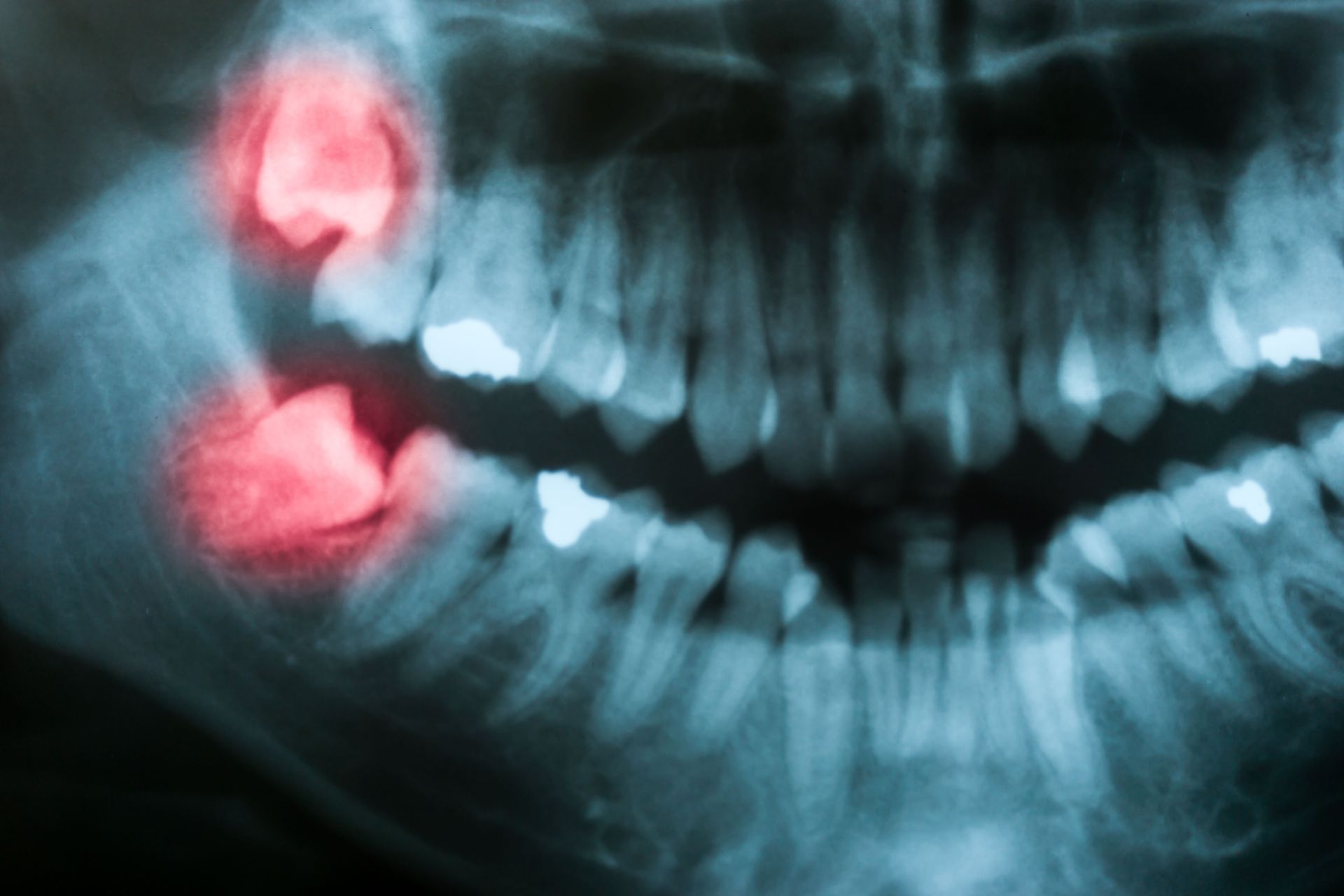
A thorough clinical examination involves taking digital X-rays to visualize the bone health beneath the gumline. These diagnostic images reveal whether the tooth can support a restoration or if it poses a threat to neighboring teeth. When the diagnostic imagery shows extensive bone loss or root fractures, professional tooth extraction services become the necessary course of action.
Addressing a severely broken or decayed tooth promptly helps mitigate the risk of systemic health issues. Leaving a non-viable tooth in the mouth creates a breeding ground for chronic inflammation and pain. A timely intervention clears the path for future restorative options that can rebuild your bite and restore your long-term oral function. Proactive removal helps maintain the health of the surrounding gum tissue so that subsequent treatments are more successful.
Managing Advanced Dental Infections
An infection that spreads to the root apex can cause significant discomfort and swelling in the jaw. When bacteria infiltrate the dental pulp, an abscess can form, creating a pocket of pus that requires immediate attention. If a root canal treatment cannot successfully clear the infection, the entire tooth must be removed to protect the jawbone.
Infections left unaddressed can migrate through the bloodstream, potentially leading to more severe systemic complications. Patients often experience throbbing pain, sensitivity to hot and cold temperatures, and visible swelling along the gumline. Utilizing professional tooth extraction services eliminates the source of the bacteria, allowing the surrounding gum and bone tissue to finally heal.
During the management of an acute infection, a dental professional focuses on removing the necrotic tissue safely. This process stops the cycle of chronic pain and prevents the infection from damaging adjacent healthy teeth. Once the problematic tooth is removed, the body can redirect its immune response toward recovering and regenerating the affected area. This targeted approach supports a swift return to normal oral health and comfort.
Navigating the Extraction Procedure
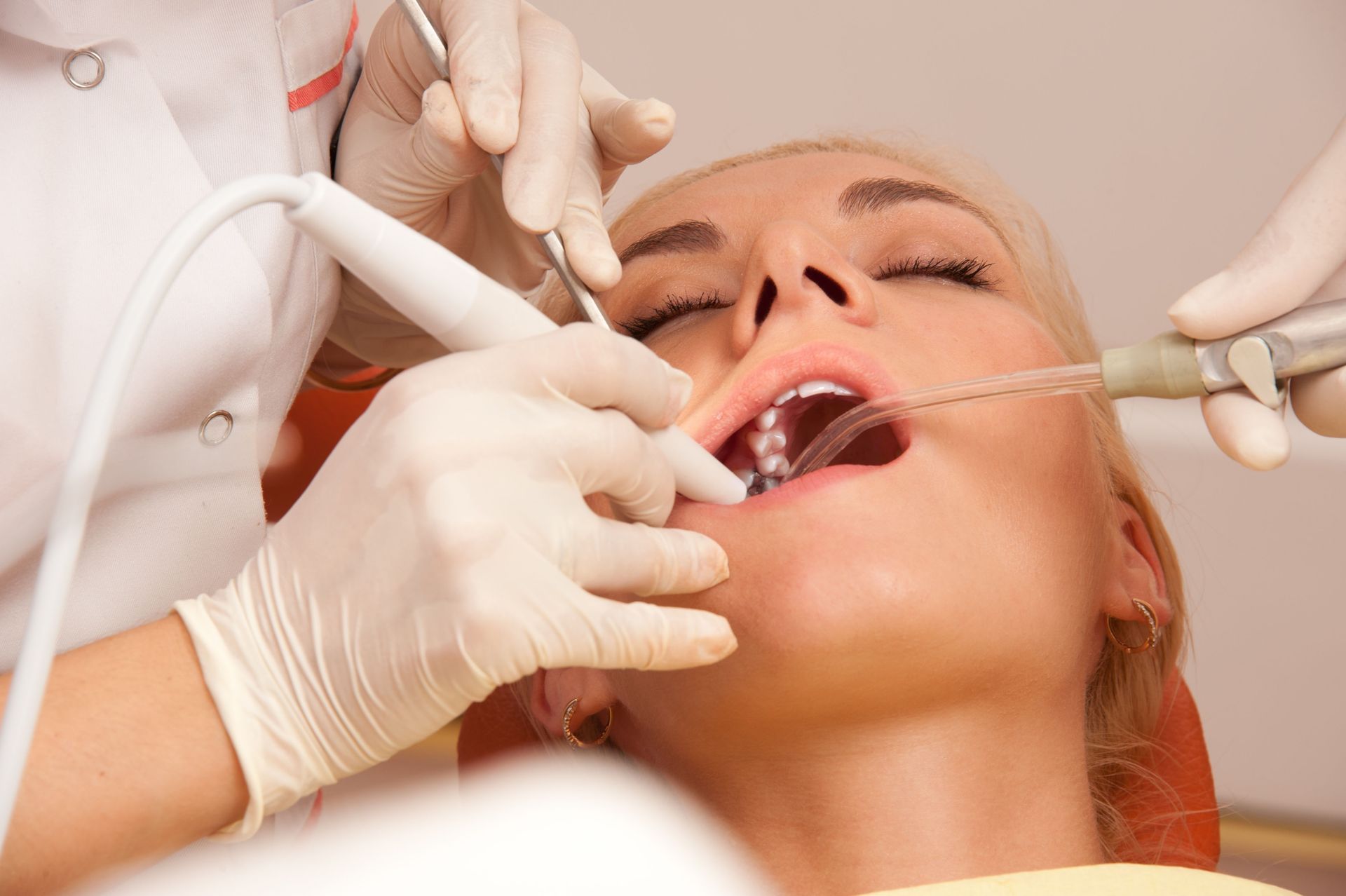
The actual removal process is a structured medical procedure designed to prioritize patient comfort and safety. Before any work begins, the treatment area is thoroughly numbed with a local anesthetic to eliminate sensation. For complex cases involving impacted or deeply fractured roots, additional sedation methods might be utilized to help the patient remain completely relaxed. Modern pharmaceutical advancements allow these procedures to be completed with minimal physical stress for the patient.
Once the area is numb, specialized instruments are used to gently expand the tooth socket and separate the tooth from its supporting ligaments. The practitioner works carefully to minimize trauma to the surrounding bone and soft tissues, which helps facilitate a smoother recovery. These specialized tooth extraction services are performed with precision to keep the structural integrity of the jaw intact. Gentle manipulation of the tissue during this phase drastically reduces post-operative swelling and discomfort.
After the tooth is successfully removed, the socket is cleaned, disinfected, and packed with gauze to encourage the formation of a natural blood clot. This blood clot is essential because it protects the exposed bone and nerves during the initial stages of healing. The entire process is conducted in a sterile environment to minimize the risk of introducing new bacteria into the surgical site. Maintaining a clean field throughout the procedure lays the groundwork for uneventful tissue regeneration.
Understanding Post-Operative Recovery Care
The hours and days following a dental removal are critical for ensuring proper healing and preventing complications like dry socket. Patients are advised to bite firmly on the provided gauze packs to help control minor bleeding and stabilize the initial clot. Rest and avoiding strenuous physical activity for the first twenty-four hours will also help keep blood pressure stable. Proper rest allows the body to dedicate its full energy toward the initial phases of cellular repair.
Managing discomfort typically involves using prescribed or over-the-counter pain relievers exactly as directed by your dental provider. Applying a cold compress to the outside of the cheek in twenty-minute intervals can significantly reduce swelling and bruising during the first day. Choosing professional tooth extraction services means receiving comprehensive aftercare instructions tailored to your specific medical history and healing rate.
Dietary modifications are necessary during the early stages of recovery, focusing primarily on soft foods and liquids. Patients should avoid using straws, smoking, or consuming hot beverages, as the suction and heat can dislodge the healing blood clot. Gradually reintroducing solid foods as comfort allows helps the jaw adjust without putting undue stress on the healing surgical site. Maintaining proper nutrition during this period is vital for fueling your body's natural restorative processes.
Exploring Future Restorative Options
Losing a permanent tooth changes the dynamics of your bite and can eventually cause adjacent teeth to shift out of alignment. To maintain proper chewing function and facial structure, it is beneficial to explore long-term replacement options after the area heals. Dental implants, fixed bridges, and partial dentures are common solutions used to fill the empty space. Modern tooth replacements look and feel remarkably similar to your natural teeth.
Planning for these replacements often begins before the actual removal takes place, allowing for treatments like bone grafting to be performed concurrently. A bone graft helps preserve the height and width of the jawbone, creating a strong foundation for future implant placement. Integrating these steps with professional tooth extraction services helps create a seamless transition from removal to full restoration.
Replacing a missing tooth does more than just improve the appearance of a smile; it protects the remaining teeth from excessive wear. When a gap is left open, the opposing teeth may over-erupt, leading to further bite complications and joint pain. Consulting with a dental professional allows you to map out a clear plan to regain full oral wellness and functionality. A comprehensive long-term plan safeguards your remaining teeth from shifting out of their correct alignment.
Navigating severe dental damage or advanced infections requires timely and decisive action to protect your overall wellness. Relying on professional tooth extraction services helps eliminate chronic pain, stop the spread of dangerous bacteria, and preserve the integrity of your jawbone. Taking this step clears the way for a healthier mouth and a fully restored smile. Smiling doesn't have to be painful; contact Allenton Family Dentistry today to schedule your consultation and take the first step toward a healthier, more comfortable smile.