November 17, 2026
Maintaining healthy teeth requires consistent daily habits, proper nutrition, and regular professional dental care. Although brushing is an important part of oral hygiene, protecting your smile involves more than simply cleaning the visible surfaces of your teeth. Understanding how to prevent plaque buildup, protect tooth enamel, and maintain healthy gums can help reduce the risk of common dental problems. With guidance from experienced dentists and a dependable home care routine, individuals can support their oral health at every stage of life.
Establishing a Consistent Brushing Routine
Brushing your teeth regularly is one of the most effective ways to remove plaque and prevent cavities. Plaque is a sticky film of bacteria that continually forms on tooth surfaces. When it is not removed consistently, bacteria can produce acids that weaken enamel and contribute to tooth decay.
The American Dental Association recommends brushing twice daily for two minutes using a soft-bristled toothbrush and fluoride toothpaste. Fluoride helps strengthen tooth enamel and makes teeth more resistant to acid attacks.
To improve your brushing routine, consider these practices:
- Use Gentle Pressure: Apply enough pressure to clean your teeth without irritating your gums or wearing down enamel.
- Clean Every Surface: Brush the front, back, and chewing surfaces of each tooth, paying attention to hard-to-reach areas.
- Angle Your Toothbrush: Position the bristles toward the gumline to remove plaque along the areas where teeth and gums meet.
- Replace Your Toothbrush: Get a new toothbrush or brush head every three to four months, or sooner if the bristles become frayed.
- Avoid Rushing: Spend two full minutes brushing instead of shortening your routine when you are busy.
Developing consistent brushing habits helps prevent plaque from accumulating and supports healthier teeth and gums over time.
Incorporating Daily Flossing Habits
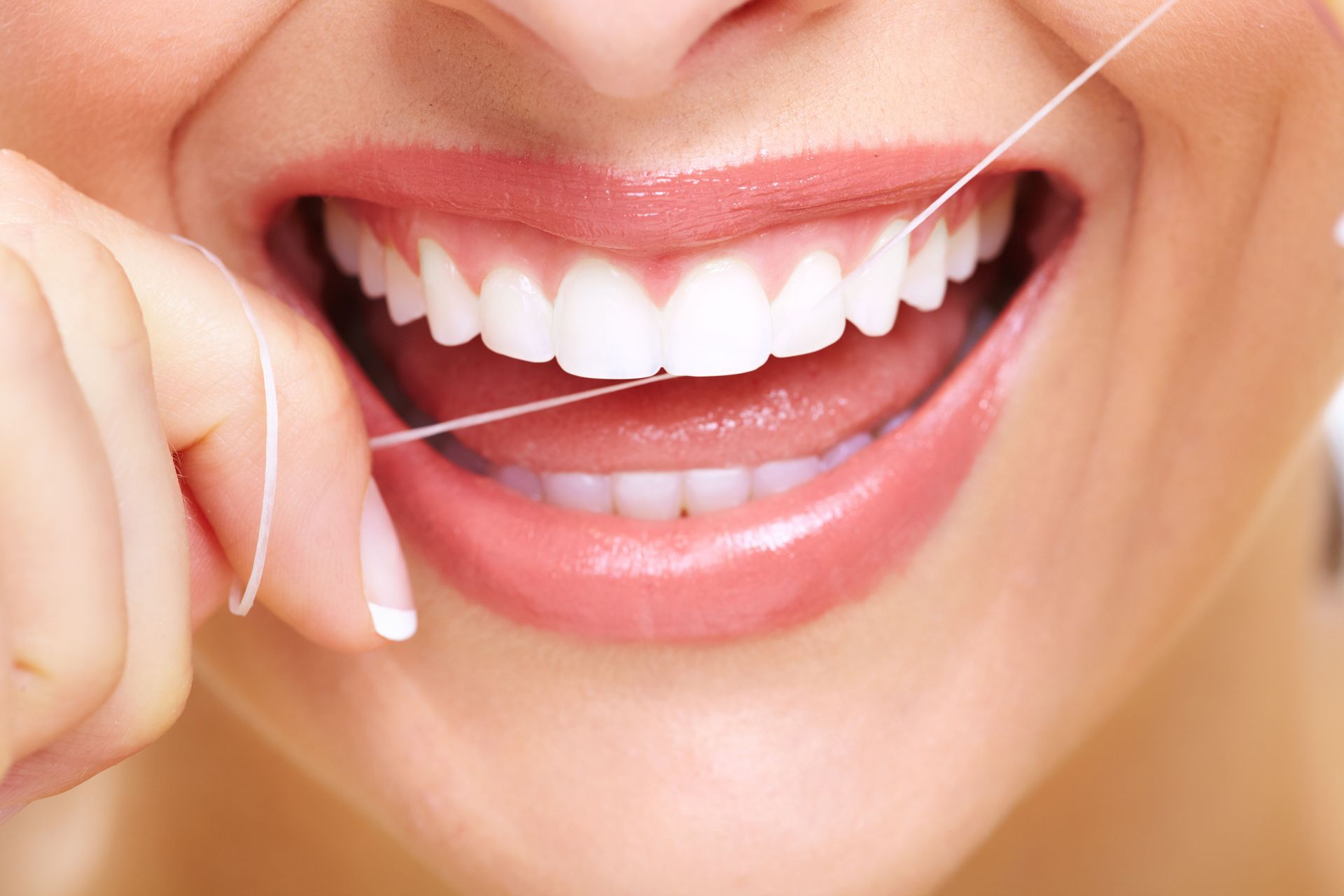
Brushing alone cannot effectively clean every area of your mouth. Food particles and plaque frequently accumulate between teeth, where toothbrush bristles cannot reach. Flossing helps remove this buildup and reduces the likelihood of developing cavities between teeth or inflammation along the gumline. Dentists recommend incorporating daily flossing into your oral hygiene routine to help maintain healthy teeth and gums.
According to the National Library of Medicine, a national survey cited in dental research found that approximately 20% of Americans never floss. This highlights an important gap in everyday oral hygiene habits, particularly since cleaning between teeth is essential for maintaining healthy gums.
For effective flossing, gently guide the floss between each pair of teeth and curve it around each tooth. Move it carefully beneath the gumline without snapping it against sensitive tissue. Use a clean section of floss as you move from one space to another.
Individuals who have difficulty using traditional floss may benefit from alternatives such as floss picks or other interdental cleaning devices. The most important consideration is choosing a method that allows you to consistently clean between your teeth.
Choosing Foods That Support Dental Health
Your diet plays an important role in maintaining strong teeth and healthy gums. Certain foods provide nutrients that support enamel, while others increase the risk of cavities by contributing to bacterial activity and acid production. Dentists often recommend balanced eating habits to help protect teeth and support long-term oral health.
Calcium-rich foods, including milk, cheese, and yogurt, help support strong teeth. Leafy green vegetables, almonds, and other nutrient-dense foods can also contribute to a balanced diet that supports oral health.
It is equally important to monitor how frequently you consume sugary foods and beverages. Bacteria in dental plaque use sugars to produce acids that gradually weaken tooth enamel. Frequent exposure can increase the likelihood of developing cavities.
Consider making these dietary adjustments:
- Choose water instead of sugary soft drinks and sweetened beverages.
- Limit frequent consumption of candy, cookies, and other sugary snacks.
- Include calcium-rich foods and vegetables in regular meals.
- Eat crunchy fruits and vegetables, such as apples and carrots, as part of a balanced diet.
- Drink water throughout the day to help rinse away food particles and keep your mouth moist.
Making thoughtful food choices can complement daily brushing and flossing while supporting long-term dental health.
Protecting Teeth From Everyday Damage
Daily habits can affect the condition of your teeth just as much as your oral hygiene routine. Certain behaviors place unnecessary pressure on enamel, increase the risk of fractures, or contribute to gradual tooth damage. Dentists can help identify habits that may put your teeth at risk and recommend ways to prevent unnecessary wear.
For example, chewing ice, biting fingernails, and using your teeth to open packaging can cause chips or cracks. These habits may seem harmless, but repeated pressure can damage teeth and existing dental restorations.
Teeth grinding is another concern. Some individuals unconsciously clench or grind their teeth while sleeping, which can gradually wear down enamel and contribute to jaw discomfort. If you notice increased tooth sensitivity, flattened chewing surfaces, or frequent jaw soreness, discussing these symptoms with dental professionals can help identify the underlying problem.
Athletes and individuals participating in contact sports should also consider protective equipment. Allenton Family Dentistry offers custom-fitted athletic mouth guards designed to help protect teeth from sports-related injuries.
Taking precautions against everyday damage can help preserve natural teeth and reduce the likelihood of requiring restorative treatment.
Scheduling Regular Dental Checkups and Cleanings
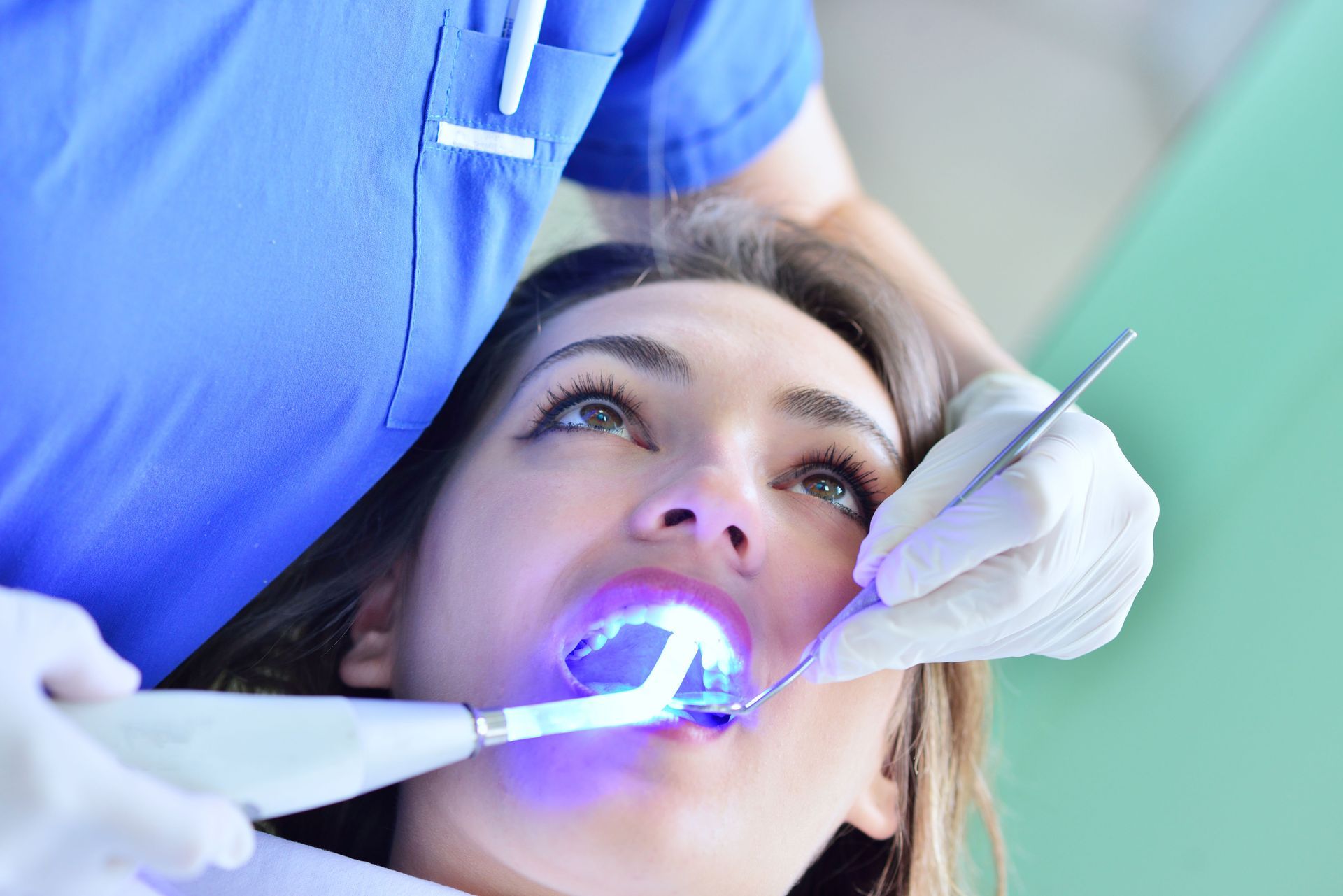
Even with excellent home care, professional dental visits remain essential for maintaining healthy teeth and gums. Routine examinations allow dental professionals to evaluate oral health, identify developing concerns, and recommend appropriate preventive measures.
Professional cleanings remove plaque and hardened tartar that cannot be eliminated through ordinary brushing and flossing. These appointments also provide an opportunity to discuss oral hygiene habits and receive recommendations based on individual needs.
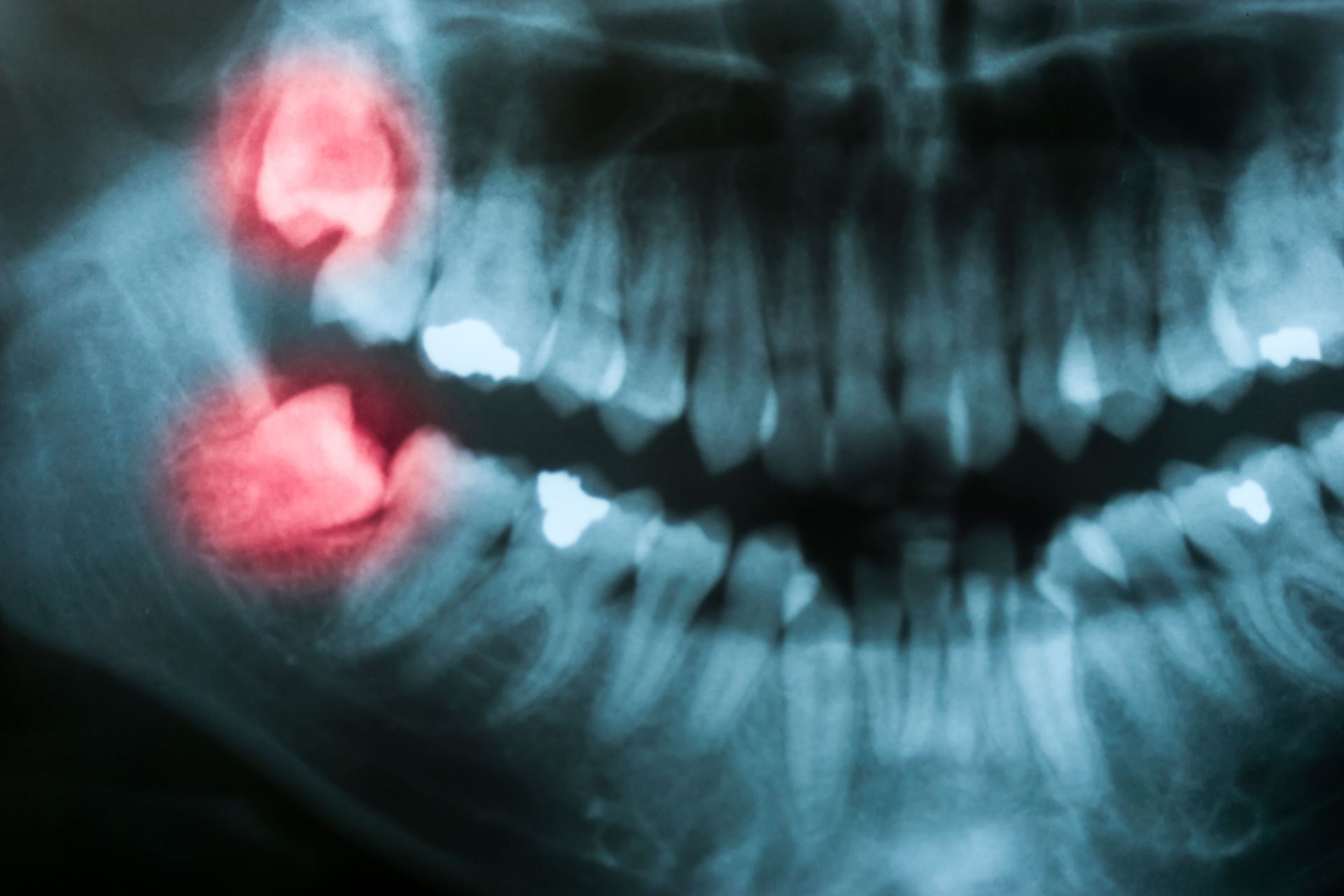
Most people benefit from visiting dentists every 6 months, although some individuals may require more frequent appointments depending on their oral health and risk factors. During routine visits, dental professionals may also recommend digital X-rays when additional imaging is appropriate.
Allenton Family Dentistry provides preventive dentistry services, including professional cleanings and examinations, digital dental X-rays, fluoride treatments, and oral cancer screenings. These services help identify potential problems and support ongoing oral health.
Keeping scheduled appointments makes it easier to monitor changes in your teeth and gums before minor concerns develop into more complicated dental problems.
Recognizing Early Signs of Dental Problems
Paying attention to changes in your mouth can help you recognize potential dental problems before they become more serious. Although some conditions develop without noticeable symptoms, others produce warning signs that should not be ignored.
Common symptoms to watch for include:
- Persistent Tooth Pain: Ongoing discomfort may indicate tooth decay, infection, or damage requiring professional evaluation.
- Bleeding Gums: Frequent bleeding during brushing or flossing can indicate gum inflammation or periodontal disease.
- Increased Sensitivity: Discomfort when consuming hot, cold, or sweet foods may suggest enamel erosion, cavities, or exposed tooth roots.
- Persistent Bad Breath: Ongoing unpleasant breath can be associated with plaque buildup, gum disease, or other oral health concerns.
- Changes in Tooth Appearance: Discoloration, visible cracks, or unusual spots may indicate damage or developing decay.
If you experience these symptoms, scheduling an evaluation is a sensible next step. Dentists can examine the affected areas, determine the possible cause, and recommend appropriate treatment.
Building Healthy Oral Hygiene Habits for Life
Proper dental care involves combining daily hygiene practices with preventive professional services. Brushing twice a day, flossing consistently, choosing nutritious foods, and protecting teeth from unnecessary damage all contribute to a healthier smile. Regular dental examinations and professional cleanings provide additional support, allowing dentists to identify potential concerns and help patients maintain healthy teeth and gums.
Developing these habits early and maintaining them throughout adulthood can make a meaningful difference in long-term oral health. Allenton Family Dentistry offers personalized preventive dental care, professional cleanings, and comprehensive examinations to help patients maintain healthy smiles. Contact Allenton Family Dentistry today to schedule an appointment and take the next step toward protecting your family's dental health.